OLIO NUOVO
born to the land: custodians of culture
By Heera Alaya
June 1st, 2026
The stage is set.
The softly descending mist and gently ascending sunlight unveil sweeping pastoral hills of the Renaissance: “Benvenuti in Toscana.”
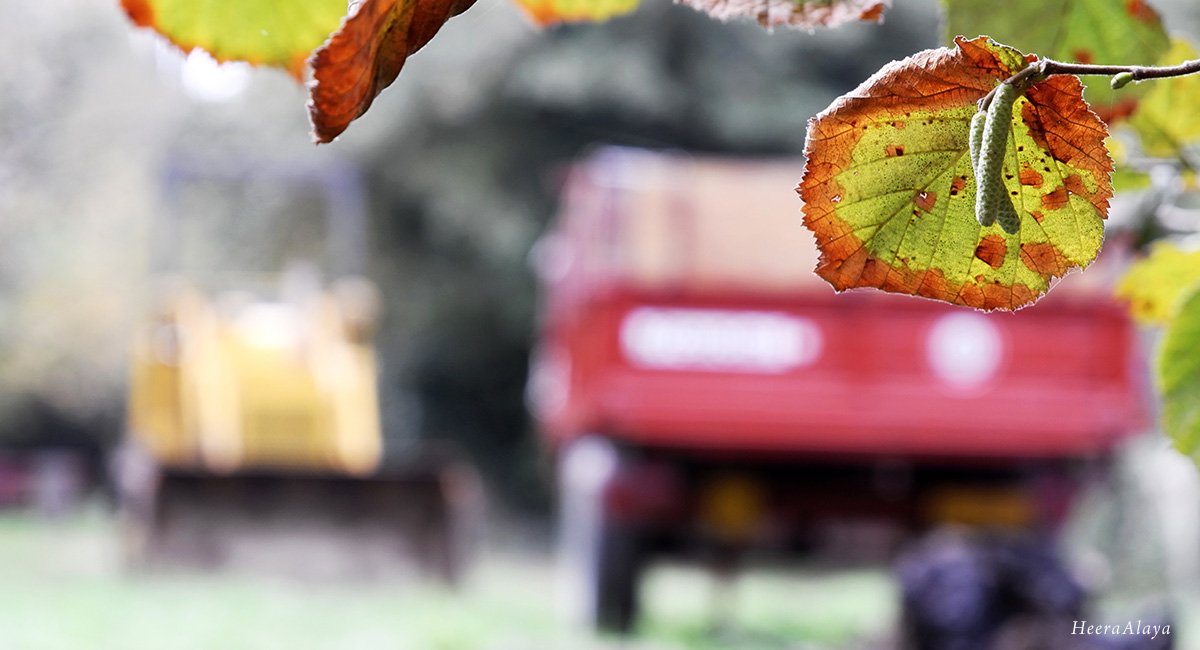
This enchanting tapestry blurs the edges of the world. A slight chill, which I adore, carries its magic, accompanied by the dawn chorus of resident birds, the distant echoing barks of farm dogs, and the rhythmic rumbling of tractors. The closer presence of farming equipment seems to whisper: “We stand as humble witnesses to the toil that nurtures this blessed land.”
In the distance, through tall cypress trees, the crackle of wood fires dances up into the air, making me guess: Forini bakers firing up their traditional wood-fired ovens, likely slipping in pane toscano or perhaps it’s La nonna inforna la schiacciata!
A makeshift table, nestled within the olive groves, holds a simple picnic: mostly meats and cheese, complemented by a thoughtful selection of delectable salad, fruit, and bread.
“Chicchirichì!
Chicchirichì!
Chicchirichì!”
The persistent hen—who hadn’t had its fill of being a nuisance early in the morning—clucked energetically, as if underscoring the permeating energy and chaos.
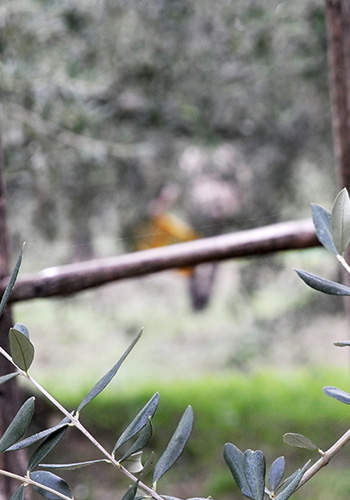
The opera.
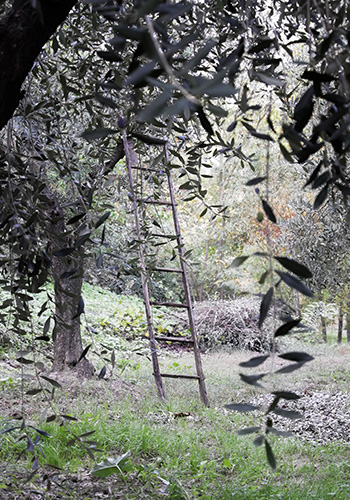
“Bello,” “Bravissimo!” “Non c’è modo,” “Passione,” “Tutto bene,” “Impossibile,” “Dai!”—a flurry of expressions accompanies head movements and dramatic gesticulations—originating, I learn, from a need to communicate in bustling public markets. Giuseppe, Nina, Matteo, and Franca’s overlapping exchanges—from nonna’s cooking, differing political views (with not-so-subtle hints of chauvinism), their bambino’s school, farm-fresh eggs, vineyard repair—circulate seamlessly. Giuseppe, the oldest, loudly summons a farm help: “Portami la scala,” as he effortlessly navigates through differing topics. Amidst these exchanges, one cannot overlook the mention: “L’americano ignorante che ha urtato la tua auto!”
The delighted audience within me is absorbing every nuance of this open-air theatre. Shoulder shrugs convey their own meanings: “I don’t know.” “Whatever.” “Alright, go on them.” The conversation shifts rapidly, and I am attempting to decipher the mood and intent: Are they playfully squabbling, genuinely praising, seriously venting, or simply chatting?
Before I determine this, Nina, the mother, tugs at my hand, eager to share her insights, rattling off in Italian: “Vieni qui,” she points to the olives, “Vedere. Abbiamo aspettato pazientemente una serie di giornate di sole”—
Noticing my quizzing expression, Matteo, the youngest visiting from England, interjected in fluent English: “The olives must be dry when harvested.”
“Why?”
“Damp olives can develop mould if they are left waiting their turn at the local frantoio, the olive oil mill.”
Olive oil is as integral to Italians as gesticulations.
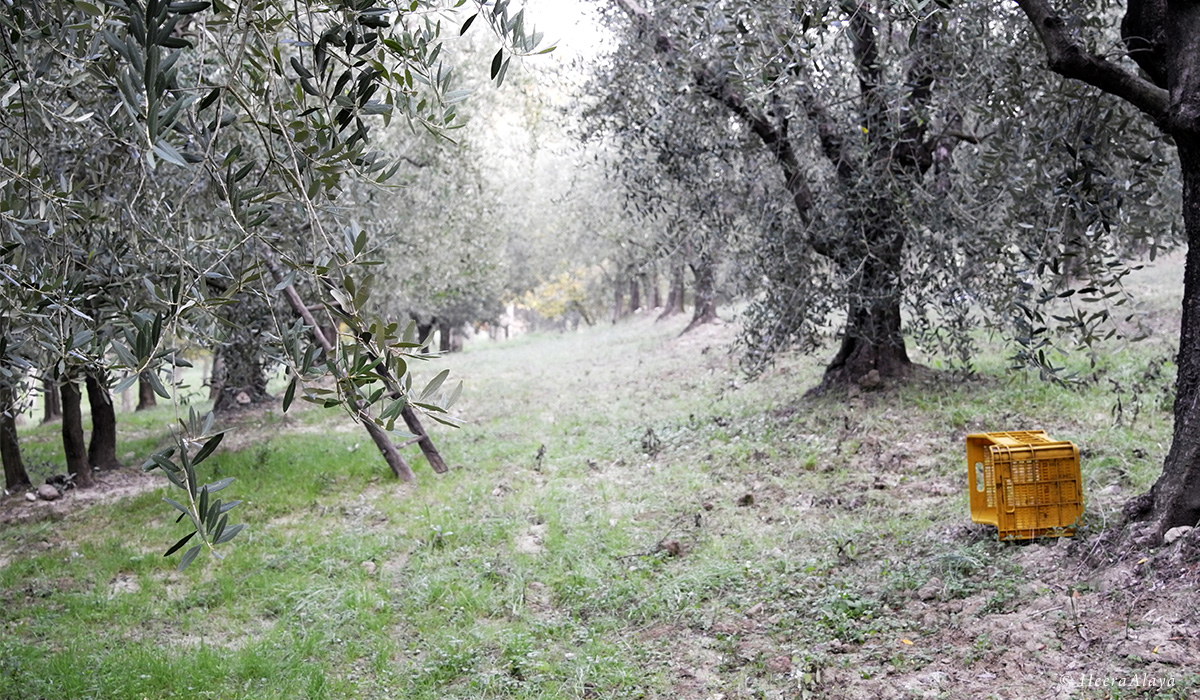
The entire family, along with farm help, is hands-on, making labour-intensive work look like a breeze. With animated talk in place, each person chooses from an array of gadgets, nets, rakes, and gloves laid out ready to tackle this tradition. Handheld olive harvesters, with their vibrating prongs, dislodge the fruit from branches, allowing the olives to tumble into nets spread beneath the trees.
TOCK TOCK. TOCK.
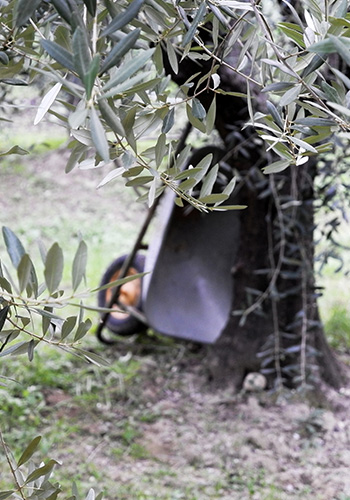
The purply-black and green olives land on nets spread on the grove floor, producing a muffled sound and creating melodic PINGs as they strike a wheelbarrow.
With weathered hats perched atop their heads, the family members move with familiarity among the gleaming olive trees and protruding wheelbarrows, diligently packing olives into cassettes and loading them onto trucks that will eventually make their way to the cold press—olives are typically milled within 24 hours of harvest to preserve their intense flavour.
The following day, a sumptuous lunch—with artisanal sandwiches, grilled vegetables, fresh salads, seasonal fruits, tarts, lemonade, and wine—was served al fresco on the family’s shaded terrace, as dear ones gathered to celebrate their olio nuovo.
HEAVEN! I declared, as though I were the ultimate authority on freshly pressed green liquid gold—olio nuovo. The delectable combination of toasty, crusty bread, rubbed with a raw garlic clove, sprinkled with salt, and drizzled with glistening, pungent olio nuovo had me at first bite. I found myself, with no reservations, fully immersed in dunking—rather than drizzling—my bread into the finest, peppery-flavoured olio nuovo, crafted from a blend of green and purply-black Tuscan olives.
The robust olio transported me to a satiated dream state. In the background, I could hear the murmur of family conversations—they were making plans to exchange their prized green liquid gold, to cook together, and to share insights about each other’s olio nuovo—from the peppery notes to the grassiness. It was clear that this seasonal delicacy—olio nuovo—is precious and to be shared at its peak within a close-knit circle.
Although I was relishing the present moment,
to process this experience. I had to switch
the lively theatre mode to “slow and silent” mode.
I decided that the following morning, a walk through the autumn countryside,
past abandoned farmhouses, would be ideal to fully relish this culture
—a labour of love, madness and passion.
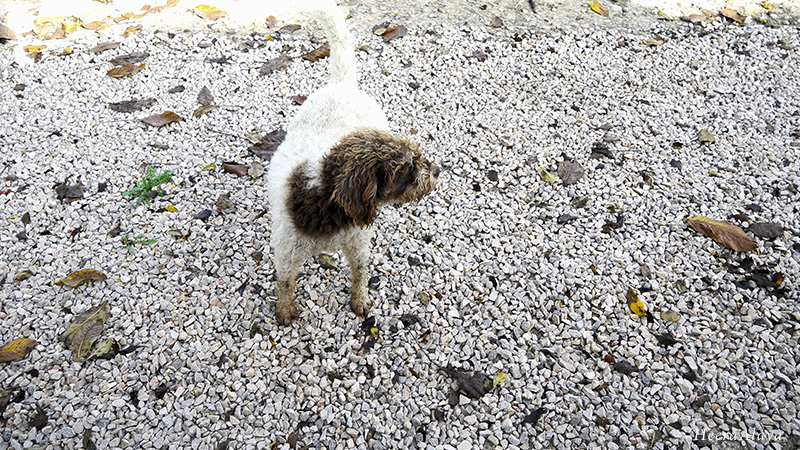
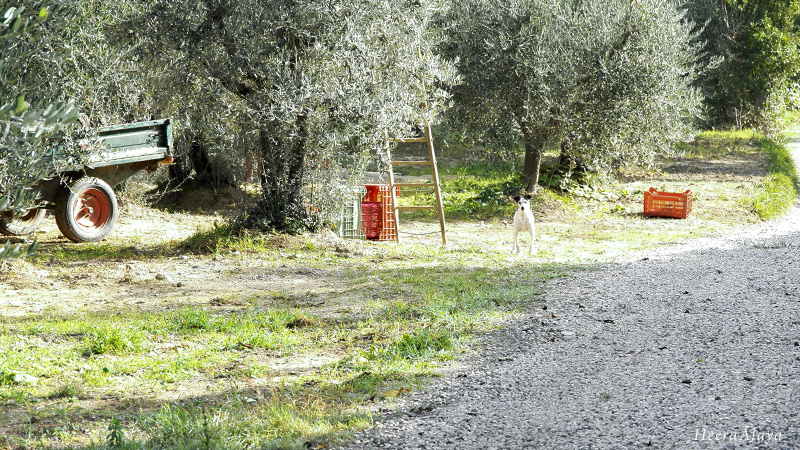
Roman warriors.
When it comes to passion, even the dogs on Tuscan farms demonstrate a strong sense of territory.
As I walked past other farmers—engrossed in their laborious harvest—I was suddenly confronted by a couple of dogs fervently guarding “their olives.” I couldn’t quite discern which canine had detected my presence first—the forward-leaning, weight-shifting, and snarling muscular terrier or the vigilant, close-approaching, curly-coated truffle dog.
Sensing the terrier’s aggression while attempting to interpret the truffle dog’s wagging tail (are you signalling happiness or communicating a warning!), I braced myself to sprint to the nearest ladder, ready to scramble up a tree—anything to escape. What a spectacle that would have been! Forget the dogs, the family would have given me an earful for toppling their crates of olives. And worse still, had the dogs shredded me, I might have ended up mixed in with the olives, raked in with the piles, and loaded into red cassettes, destined for fresh-pressed oil. Definitely unappetising!
Fortunately, the dogs didn’t attack me, though it was a close call. One of the farmers, reacting to the sudden chaos—his shouts cutting through even the dogs’ growls—commanded the dogs in Italian:
“AH-SPEH-TAH. MARCO. FRANCO. AH-SPEH-TAH.”
Obey they did—Italian dogs understand Italian.
As he approached, the farmer continued instructing the dogs: “Marco. Franco. Smettila e basta. Vieni qui. Ho detto: calmati.”
As luck would have it, the farmer recognised me from the previous week when I had given him a ride! My nervous-relieved laughter, paired with the farmer’s friendly engagement, helped the dogs become more at ease with me. The idiom “barking dogs don’t bite” applied to this situation—it turns out, the canines bark not to attack, but rather to alert farmers of potential threats! Marco and Franco, true to their distinct origins—Roman warriors—were honouring their heritage.
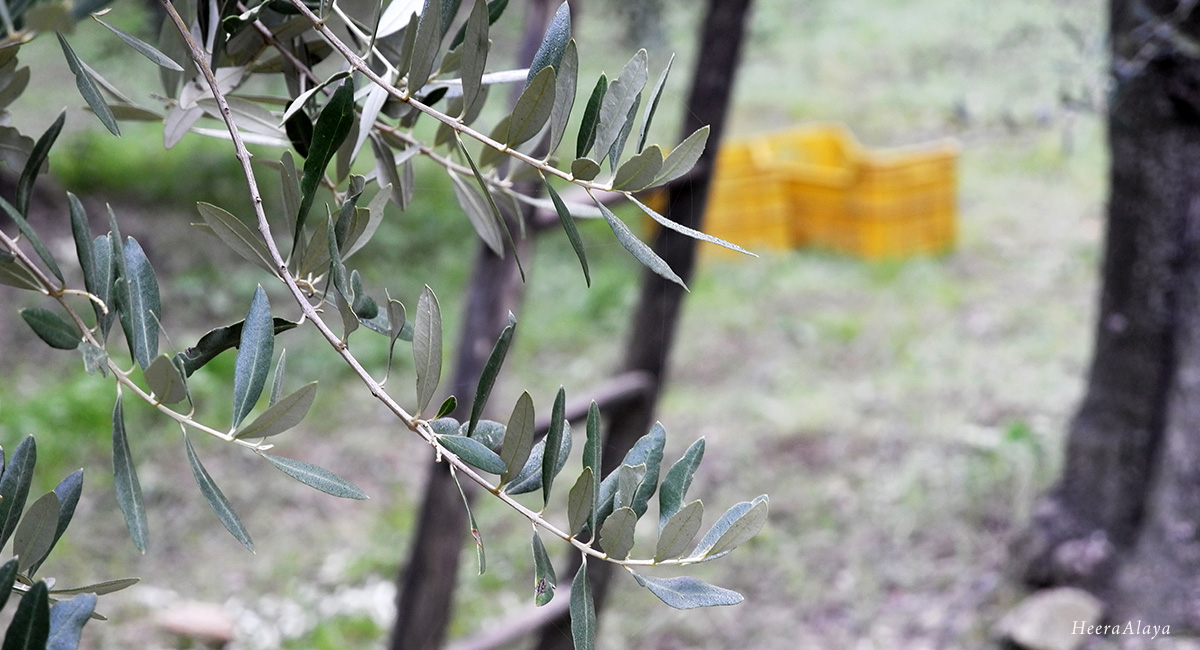
NUOVO OLIO, A cultural phenomenon.
It was nothing short of spectacular to witness the entire process unfold over the days, to experience the frenzy, and to encounter a cultural phenomenon through the generosity of Tuscan natives. I intended to draw conclusions and paint a detailed mental picture of the breathtaking landscape, but Tuscany is a masterclass in sensory richness, with both its inherent and inherited traditions.
The Toscani possess an identity that is intricately intertwined with their land, history, and regional distinctiveness. Those born in this blessed land are aware of its richness, making them fierce custodians. Behind the facade of casualness, the olive harvest is a carefully orchestrated event—of sacred soil, sacred exchanges and sacred oil.
Viva Italia!
CÔTE D’AZUR
Clear. Intense. Serene.
THE MARIONETTISTS
The master manipulators
FRENCH LAUNDRY
restoring your soul’s hygiene
TAINA BIEN AIMÈ
“What was her life’s journey?”
ABSTRUSE IDYLLIC OASIS
comprehending complex tapestries
BERNADETT TUZA RITTER
A Woman Captured
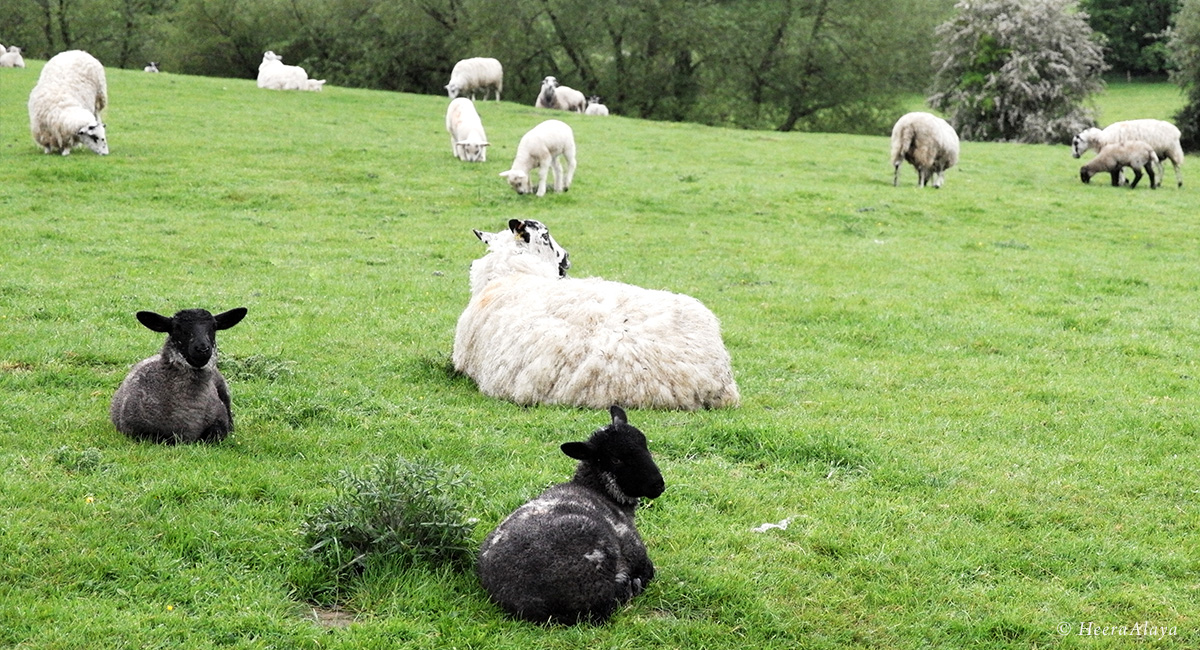
JO-ANNE MCARTHUR
Photographer for Animals, CA
“Cows are constantly re-impregnated, and their babies are taken away for slaughter so we can drink the milk.”