VISIBLE FEELING HUMAN BEINGS
the Dalit community
By Heera Alaya
September 1st, 2025
The caste system, a birth-based social hierarchy, is an oppressive social structure that perpetuates inequality. Dalits, considered the lowest caste, in addition to discrimination and exclusion, face every form of abuse and slavery, including sexual violence, manual scavenging and bonded labour.
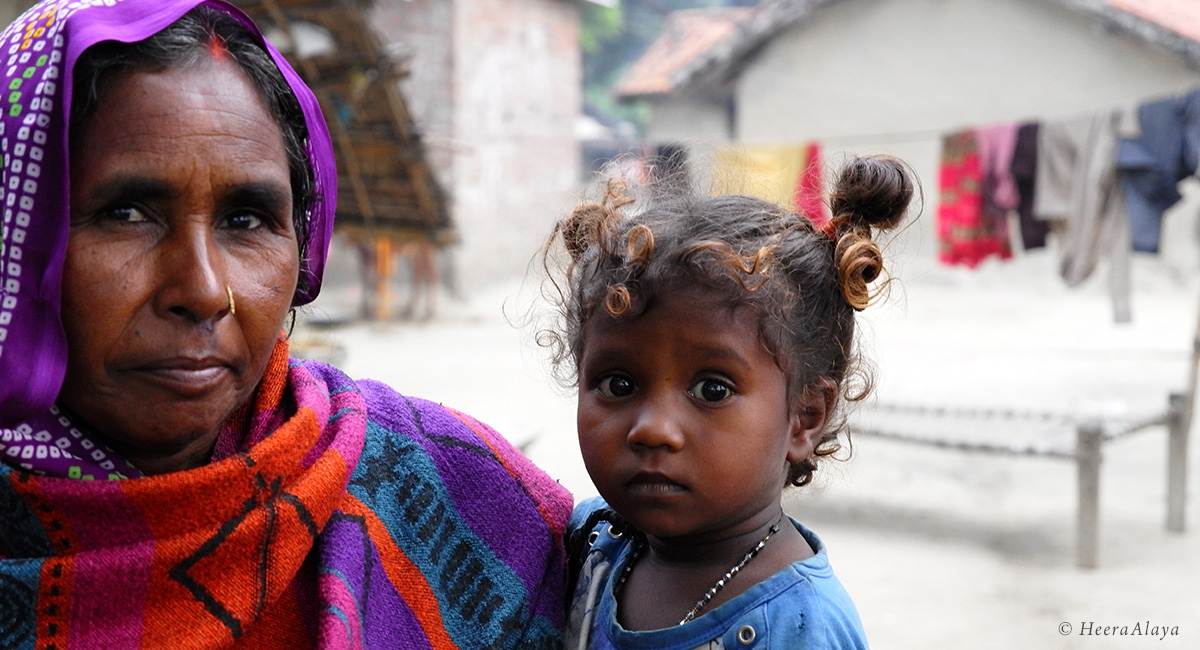
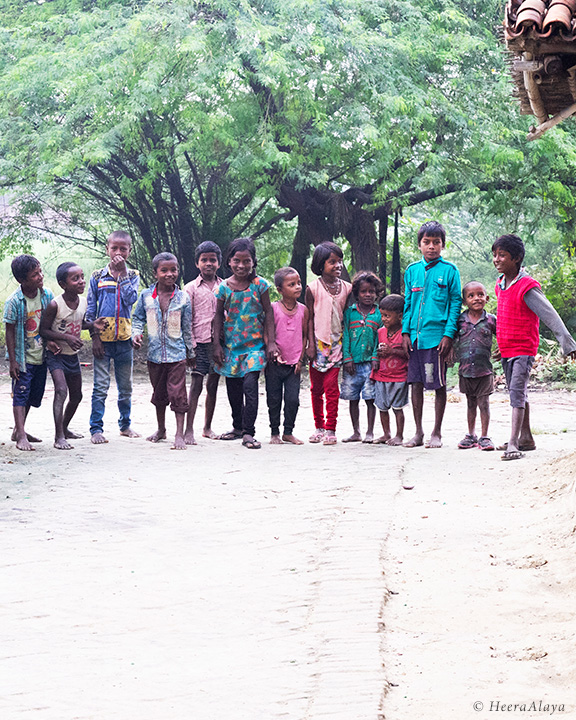
The Musahars [rat eaters] are a marginalised Dalit community, pushed out of sight with no resources—they lack access to running water, electricity, roads, healthcare and access to government schemes. So dire are their circumstances, the Musahars still often have to resort to smoking rats out of fields to eat.
The marginalised have no immunity from hunger, violence and suffering.
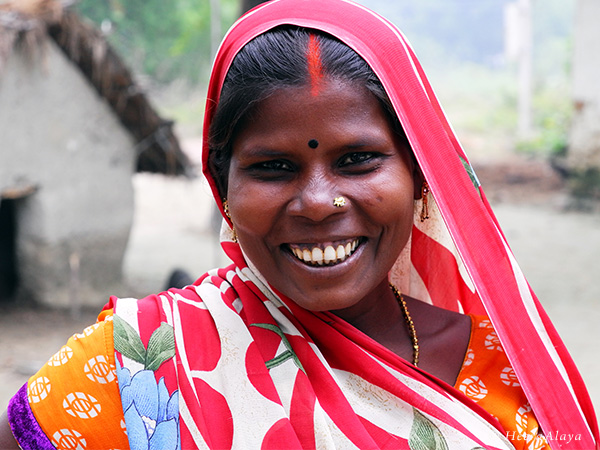
I met a Musahar woman in a faraway encampment who, while showing me their cramped mud huts and pig pens, narrated an incident. A high caste man attacked this Musahar woman’s dignity while she was in the fields, but instead of succumbing, she took out her sickle and warned this high caste perpetrator that she would kill him (Her indignation, anger and fatigue were palpable). Dalit women have to face this onslaught of harassment, demeaning treatment, and agony on a day-to-day basis. This Musahar woman is still considered untouchable, but in reality, she is touched by the grace of god—her spirit, her dignity, her resilience, and her courage are reminders of the poverty in those who appear to have it all, but in reality lack agency, resilience and courage.
Similar to the woman mentioned above, Dalit girls and women face sexual violence by high caste men, priests, landlords, professionals and the police. In yet another incident, in Uttar Pradesh, India, a twenty-year-old Dalit nurse was raped by a doctor, ward boy, and carer. The Dalit men, who are already deemed lowest in the caste structure, are left further emasculated, unable to protect their wives and children or voice their outrage.
Domination in the name of caste.
Violation in the name of gender.
Exploitation in the name of class.
Oppression in the name of religion.
Devastation in the name of development.
This oppression and structural violence are by design, leaving the Dalits with no choice, no voice and no identity. Sexually violent predators go unchecked because of abysmal poverty, silence and isolation. Besides, so-called powerful and well-placed people in society refuse to acknowledge the truth, let alone be affected by the suffering of the Dalit community—not knowing, not learning, and not being affected allows them to remain stripped of conscience and spine; it enables them to exist pretending to be honourable.
What is the point of access to education, wealth, travel, connections and technology if these resources fail to lift us to a higher realm of thinking and being in the world?
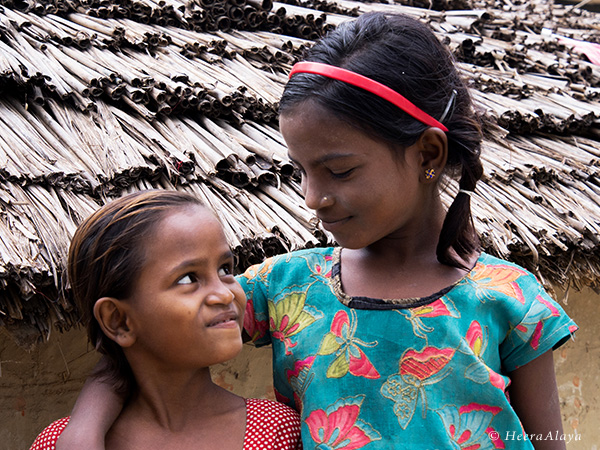
Besides, those who engage in and justify their corruption must dare to acknowledge that their life dismantles the foundation of humanity, stripping the land and its most vulnerable people of their fundamental rights. Pushed further into poverty, the poor have to deal with the everyday stressors of survival and violence. These psychological implications leave no room for safety. How will their brains develop? How can those experiencing poverty, discrimination and systemic obstacles learn? How do we give the oppressed hope when we snatch what is integral to them?
Effective treatment of the underprivileged begins with your conscience and implementing measures, from the four walls of your house to the words you use to describe and refer to the marginalised.
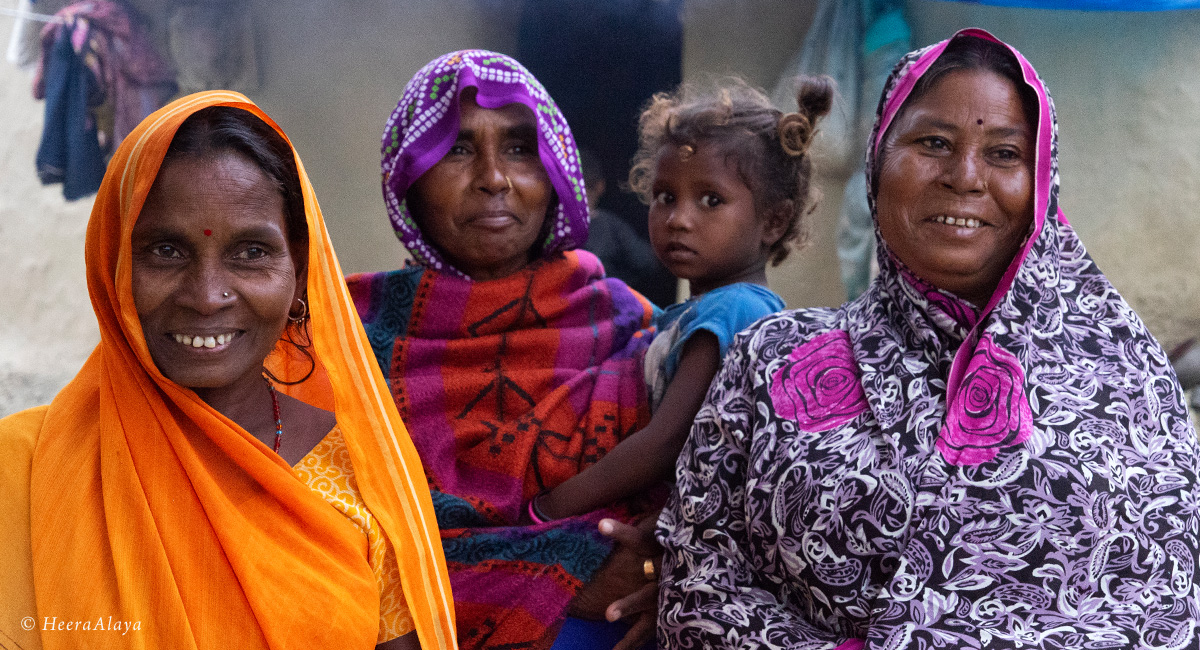
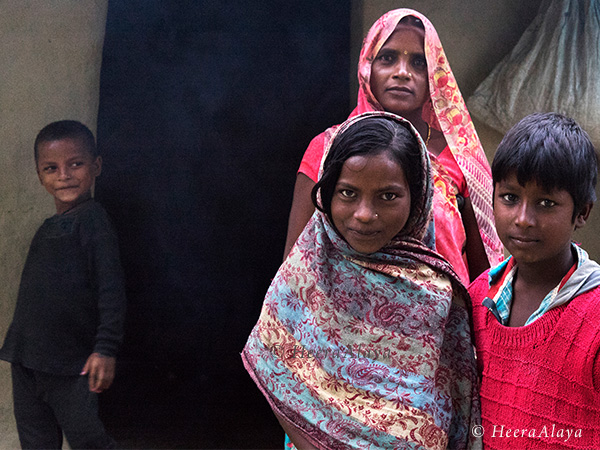
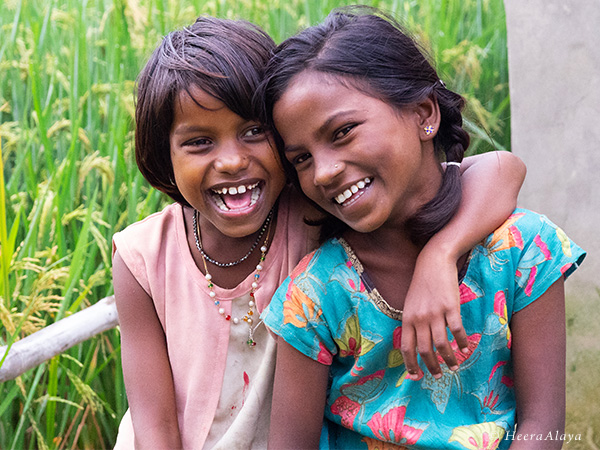
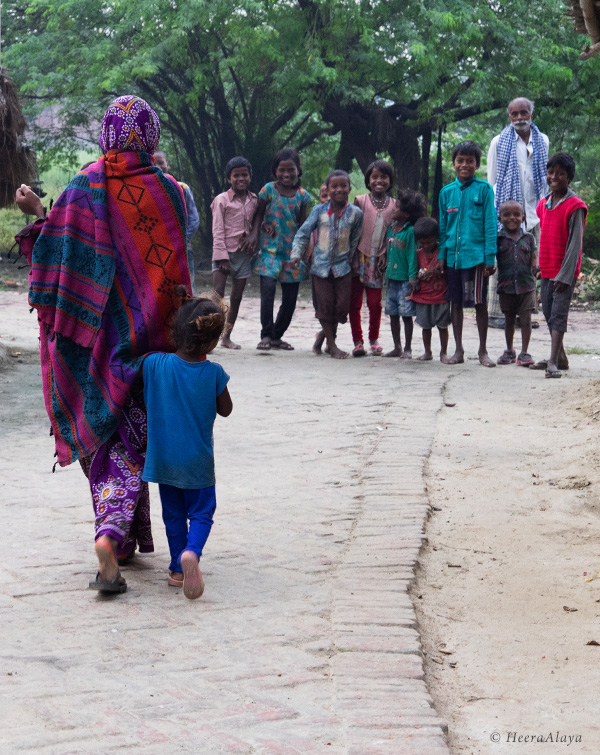
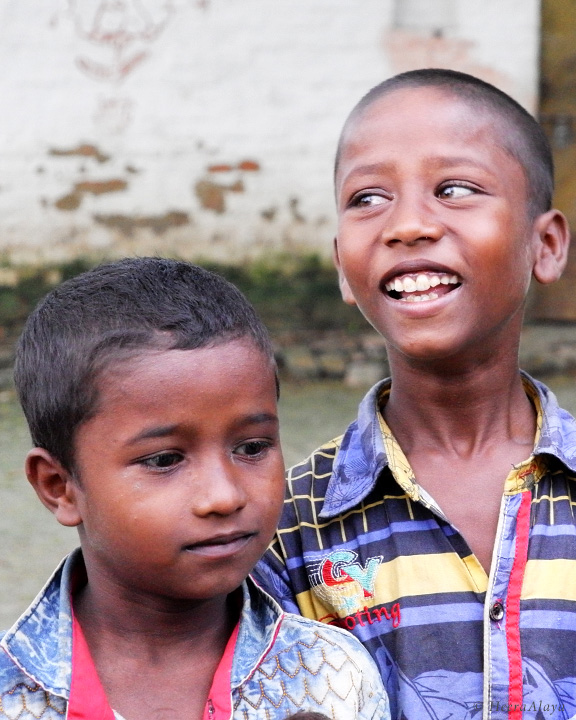
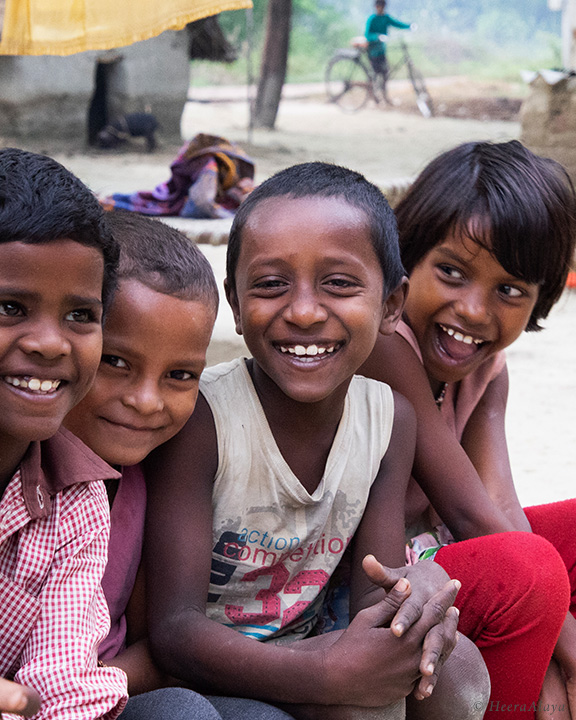
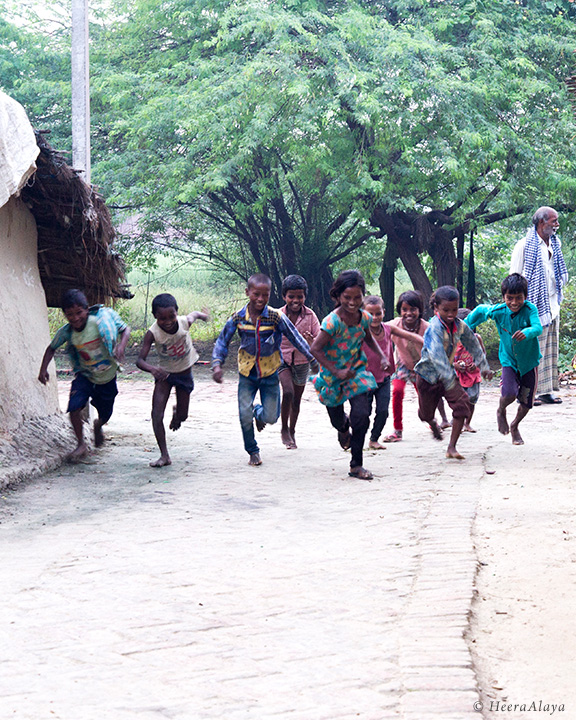
The grace with which the Dalit villagers received and embraced me, the hospitality with which they offered me, what was supposed to be tea, is human. Their touch feels like human touch, their sorrows, suffering, and agony are human, and their shame is no different from mine. You might not always have direct access to the Dalit community, but trust me, their human emotions are accessible.
BERNADETT TUZA RITTER
A Woman Captured
BEING A BEACON
emblematic of my essence
TAINA BIEN AIMÈ
“What was her life’s journey?”
DR VANDANA SHIVA
knowledge in women is threat
THE MARIONETTISTS
The master manipulators
AJEET SINGH
we know of a baby who was raped
GENE BAUR
President, Farm Sanctuary, USA
“The veal industry was created to use unwanted male calves born on dairy farms.”